

Ways to Care for Your HMDD Sweats and Shorts to Keep Them Lasting
The brand HMDD — short for Happy Memories Don’t Die— has earned a dedicated fan base on the strength of pieces that feel meaningful, not disposable. Should you own a pair of HMDD sweatpants or shorts, you probably already know they’re not the kind of thing you’d want to throw in on a hot cycle without thinking. Fabric blends used in streetwear-inspired brands like HMDDLA tend to be heavier, often fleece-backed or brushed, which means they respond differently to warmth, tumbling, and drying cycles than a simple cotton t-shirt. This overview goes over the real-world steps that keep the hue, graphic, and fit of your HMDD clothing looking right for years instead of months. This isn’t complicated, but failing to follow it is the reason good sweats turn into worn-out, bobbled, baggy pieces by the second season.
Why Maintenance Matters More With HMDD Items
The bulk of what makes a piece valuable, for streetwear brands leaning into printed designs, embroidery, or puff detailing, sits atop the material rather than being built into the weave. That’s true for much of HMDD’s catalog, and it’s a recurring theme in almost every hmdd review you’ll find online — people love the look, but they also note how the graphics wear (or don’t) hold up after multiple wash cycles. A peeling logo or a washed-out print doesn’t just seem shabbier; it changes how the entire garment comes across, transforming something that once looked intentional into something that looks uncared-for.
Cost is another factor worth considering. Premium sweats and shorts from brands positioning themselves as best hmdd clothing picks aren’t low-cost mass-produced basics — they’re priced like an investment piece, which means the cost-per-wear only pays off if the garment lasts through 50, 100, or 150 wears. A budget hmdd sweats pair of $10 gym shorts can be washed carelessly for a full year and it hardly makes a difference. A heavier, detailed pair of HMDD shorts is a completely separate matter.
Under heat, fleece and brushed-back fabrics — found in several of HMDD’s sweatpant styles — react in a different way than ordinary jersey cotton. Heat represents the biggest danger to fleece integrity — it breaks down the fine fibers that produce that soft brushed texture, leaving it permanently flattened. There’s no reversing it once it occurs, no matter how carefully you wash afterward. Which means the habits you form now, from the very first laundering, dictate how the garment ages for the remainder of its lifespan.
Washing HMDD Sweatpants: The Core Rules
A cold-water setting is essential for any piece featuring a graphic that’s printed or embroidered. Water above 86°F (30°C) hastens dye migration and weakens the adhesive layer under screen prints, which is exactly how you end up with flaking, cracked graphics within 10–15 washes. Stay with cold or, at most, tepid cycles.
Invert every piece inside out before placing it in the washer. This quick action reduces surface friction on printed designs and embroidered details by guarding the front face from scraping against drawstrings, zippers, or other items in the load. You’ll spend just five seconds on it and it’s the most underrated step in the entire care process.
Go with a gentle, dye-free detergent rather than products containing brightening chemicals or heavy fragrance additives — gradually, those chemicals accumulate in the fleece’s fibers and wash out the genuine shade, particularly on the deeper HMDD tones such as black, charcoal, and olive. One pair of sweatpants generally needs no more than a quarter-cup of a gentle liquid detergent; adding extra won’t help.
Forgo fabric softener entirely. It sounds counterintuitive for warm and comfy fleece, but the product blankets fibres in a wax-like buildup that lessens airflow and, over 20-30 washes, leaves brushed fleece end up clumped and flattened rather than tender to the touch. For those seeking long-term a soft feel, a lower spin speed (600-800 RPM) provides more value than any fabric conditioner ever will.
Launder similar colors together and avoid overstuffing the washer, sincea drum packed over 75% capacity means garments can’t move freely, leading to more rubbing and fuzz buildup. When washing a single pair of HMDD sweatpants or shorts, washing them with 3-4 other matching-weight items is the optimal load.
The Moment Where Most of the Damage Really Occurs: Drying
If washing is where mistakes accumulate slowly, drying is where damage happens fast. High-heat tumble drying is responsible for the majority of shrinkage complaints across fleece and heavyweight cotton blends, and it’s very likely the single biggest factor separating a pair of HMDD sweatpants that lasts three years from one that’s unwearable after eight months.
Air drying flat remains the gold standard. Setting the garment out flat, instead of letting it hang, prevents the pull created by wet fabric from warping the waistband or the leg cuffs — something that happens surprisingly easily with damp fleece, which can retain as much as 3 times its own dry weight in water before it begins dripping.
If a dryer is unavoidable, use the lowest heat setting available and remove the garment while it’s still slightly damp, then let it finish air drying. This cuts total heat exposure by roughly half compared to running a full high-heat cycle, and it meaningfully reduces pilling on brushed interiors.
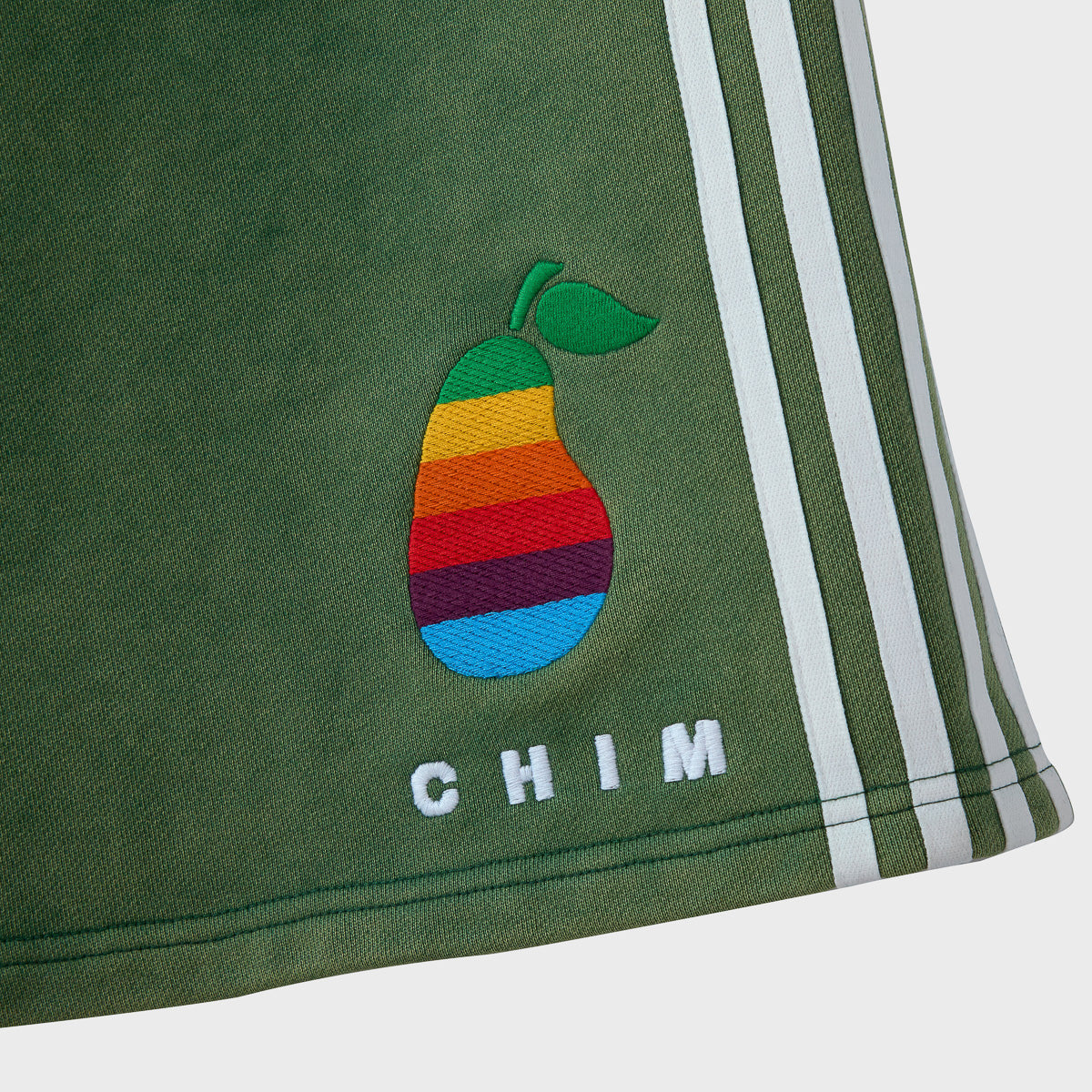
Under no circumstances set out to dry joggers or shorts with a printed design face-down on a heater or radiator. Continuous, close-range heat above 122°F (50°C) is enough to melt plastisol-formulated graphics to the point where the ink can bleed onto whatever surface they’re touching, resulting in irreversible damage to the artwork.
Everyday Routines and Storage
Your storage approach for HMDD clothing between wears carries almost the same weight as the way you launder it. Folding rather than hanging is generally better for heavyweight sweatpants and shorts, given that hanging heavy fleece by a waistband clip can create permanent stretch marks at the hang point within a few weeks.
As UV rays is a slow but real cause of color fading, garments should be stored away from direct sun while stored; deeper-toned pieces in particular can visibly lighten after just a few months left on a shelf in sunlight or in a car.
Cycle through your pairs. Since fibers need time to recover, reaching for that one pair of shorts or sweatpants repeatedly stops the material from regaining its shape, and wear accelerates at friction-prone spots such as the knees and the inner thigh seam. Having two or three pairs in regular rotation, rather than one worn constantly, can almost double the usable life of each garment.
Rather than permitting them to bond through a full wear cycle, treat stains immediately. A stain dealt with inside an hour comes out with a gentle soap and cold-water rinse in most cases; the same stain neglected for 24 hours often requires pretreatment and a higher wash temperature that risks damaging the print.
A Quick Rundown of Healthy Habits versus Habits That Reduce Longevity
| Caring Step | Approach We Recommend | Common Mistake |
|---|---|---|
| Water temperature | Cold, under 86°F (30°C) | Above 104°F (40°C), a hot wash |
| Garment orientation | Flipped inside out | Right side out, print exposed |
| Detergent | Mild, dye-free liquid | Heavy-duty powder with brighteners |
| How to Dry | Lay flat to air dry | High-heat tumble dry to full dryness |
| Storage | Folded, out of sunlight | Near a window, on a clip hanger |
| Wear pattern | Cycling through 2-3 pairs | Daily wear of one pair without resting it |
In 2026, Here’s What It Means for HMDD Owners
Surging rapidly, the market for pre-owned streetwear has made it so pieces that hold their form and hue simply fetch a resale price for more. Compared with a neglected pair, a well-maintained pair of HMDD sweatpants can retain a noticeably higher resale percentage of original price, particularly when the print or stitched design is still clean. That’s a real financial reason to take five extra minutes per wash cycle seriously.
Since HMDD’s catalog has expanded, it’s also true that the variety of fabric weights and finishes has increased alongside it, which means reviewing the care label on your own piece is more sensible than presuming uniform behavior across items. A thick fleece short paired with a lighter, mesh-lined short from the same collection can have different washing tolerances even if they appear alike on the rack.
When you get down to it, looking after HMDD’s garments has less to do with babying them and more to do with matching your wash-and-dry habits to the actual fabric in question. Washing cold, turning items inside out, using low or no dryer heat, and storing pieces sensibly handle the vast majority of what keeps sweatpants and shorts staying fresh. Keep up these habits, and “happy memories don’t die” holds true for the actual piece of clothing, as well — not limited to just the sentiment behind the name.